How Does Weight Gain Really Operate In Our Bodies?
m
@mylesvkgi949
October 1, 2026 · 4 min read
9 Factors You're Exercising Yet Gaining Weight As Opposed To Shedding
Training Designs
If you're not seeing the adjustments you want, think about collaborating Visit website with health care experts. A signed up dietitian can aid identify covert barriers, whether it's hormone imbalances, inflammation, or certain modifications needed to your present regimen. When your close friends make healthy selections, you're more likely to do the same.
Just How To Eliminate Subcutaneous Fat?
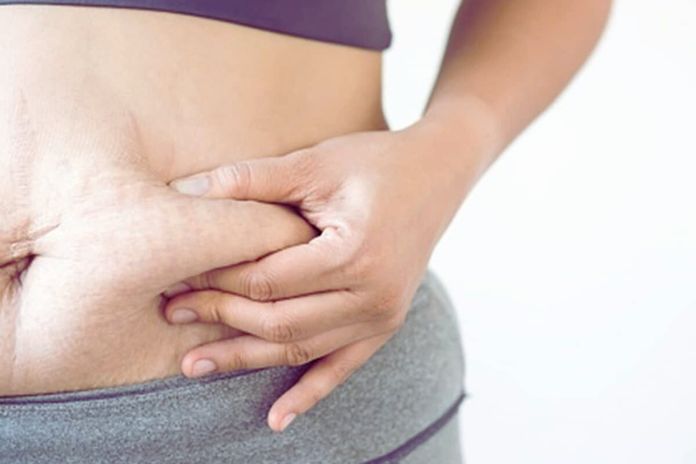
An assessment with a Squlpt provider is called for to assess candidateship and go over prospective risks and outcomes. Whether you wish to deal with loose skin, persistent fat, or a combination of both, we can help you locate the most effective treatment method to accomplish your body goals. Yet many individuals are let down to discover that, after working hard to attain their goals, their representation in the mirror HIFU technology doesn't match their expectations. Rather than a firm, toned silhouette, they may notice stubborn pockets of fat or loosened, drooping skin in locations like the belly, upper legs or arms.- Certain drugs usually suggested to deal with depression, anxiousness, warm flashes and high blood pressure can create weight gain.
- While lots of people believe weight loss just reduces fat cells (a procedure called hypertrophy), study now validates that some fat deposits persist because of hyperplasia, the multiplication of fat cells.
- In method, this involves reviewing your personal biology, lifestyle, and resources and choosing tasks that generate optimal long-lasting return.
- Genetics impact where the body tends to carry fullness, whether an individual stores extra around the waistline or the reduced body, and exactly how quickly specific regions respond when they attempt to lose weight.
TDEE relies on the REE, free-living tasks, and the amount of physical activity carried out, collectively called AEE. A fraction (∼ 10%) of the TDEE can be discussed by the thermal impact of food (TEF) (Westerterp, 2004). Despite the fact that cardiorespiratory health and fitness is a predictor of the TEF, the result of workout on the TEF continues to be uncertain (Calcagno et al., 2019).
High-Intensity Interval Training (HIIT) is especially effective - incorporating short bursts of activity with recovery periods, HIIT can boost fat oxidation and metabolic rate long after the workout ends. This hormone interruption can contribute to conditions like PCOS, insulin resistance, and even inability to conceive in some cases. On the other hand, guys often tend to save more fat, both natural and subcutaneous, in the abdominal region. 